
How To Drive On A Dual Carriageway
Driving on a dual carriageway can seem intimidating, especially for new drivers. Having multiple lanes, high speeds and slightly different rules all contribute to why learners often feel nervous about them. Understanding the basics, practising, and knowing what to expect will make driving on a dual carriageway much smoother.
If you’re wondering how to approach them during lessons, this guide is designed to help new drivers feel confident and prepared.

Essential Tips for Using a Dual Carriageway Safely
Before we get into the details, it helps to understand the key factors that make dual carriageway driving easier to manage. From basic road structure to speed limits, learner rules, and real test expectations, we’ll break everything down into simple, practical sections so you know exactly what to expect.
Here’s what we’ll cover:
- What is a dual carriageway?
- Single carriageway vs dual carriageway
- What is the speed limit on a dual carriageway?
- Can learners drive on a dual carriageway?
- Lane discipline and overtaking on a dual carriageway
- Common mistakes on a dual carriageway
- Navigating exits and slip roads safely
- Do you go on a dual carriageway on your driving test?
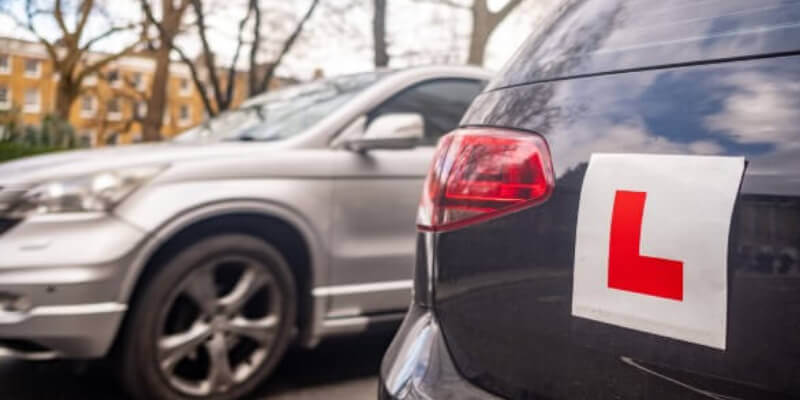
What is a dual carriageway?
A dual carriageway is a road where traffic driving in opposite directions is separated by a central reservation or barrier. Unlike single carriageways, where vehicles travel both ways on the same stretch of road, dual carriageways allow vehicles to travel faster and more safely by reducing the risk of head-on collisions.
Driving on a dual carriageway requires a mix of confidence, observation skills, and lane discipline. You’ll need to judge gaps in traffic for merging, know when to overtake safely, and maintain awareness of surrounding vehicles.
Before hitting a dual carriageway for the first time, it’s a good idea to practise with a professional instructor. If you’re based locally, driving lessons in Northampton can provide a safe environment to get used to the higher speeds and lane etiquette.
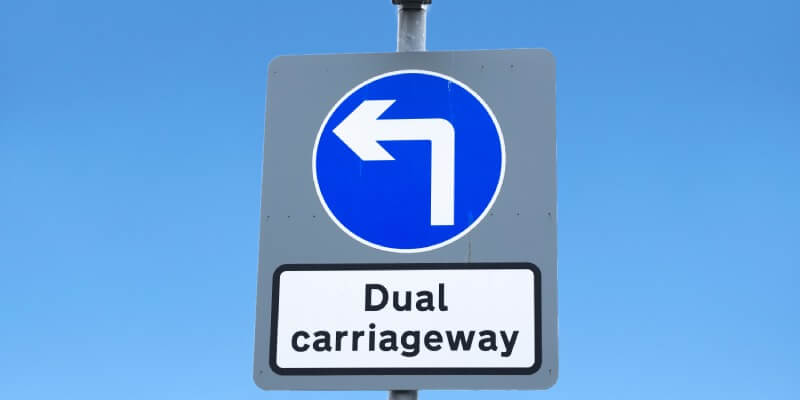
Single carriageway vs dual carriageway
The main difference between single and dual carriageways comes down to how traffic moves and how many lanes there are. On a single carriageway, you’ll usually have just one lane in each direction, with no barrier separating traffic going the other way. That can make overtaking a bit more awkward at times and often slows things down, especially when you need to change position on the road.
Dual carriageways usually have at least two lanes in each direction, with a barrier running down the middle to separate the traffic. Because of that separation, traffic tends to move more freely, overtaking feels less risky, and there’s a much lower chance of head-on collisions It’s also helpful to understand the difference between a dual carriageway and a motorway, as motorways have higher speed limits, controlled access, and additional rules.
For clarity, here’s a simple breakdown of the main types of roads:
- Single carriageway: This is a road where traffic travels in both directions on the same road, usually with just one lane in each direction and no divider in the middle.
- Dual carriageway: Here, the road is split down the middle, separating traffic moving in opposite directions, with multiple lanes on each side.
- Motorway: These are the faster roads you’ll see, with lots of lanes and stricter rules compared to normal roads.
Understanding these differences is important for road safety and confidence. If you’re learning with our driving school in Northampton, you can practise identifying each road type and adjusting your driving style accordingly, which is especially useful when preparing for your driving test.

What is the speed limit on a dual carriageway?
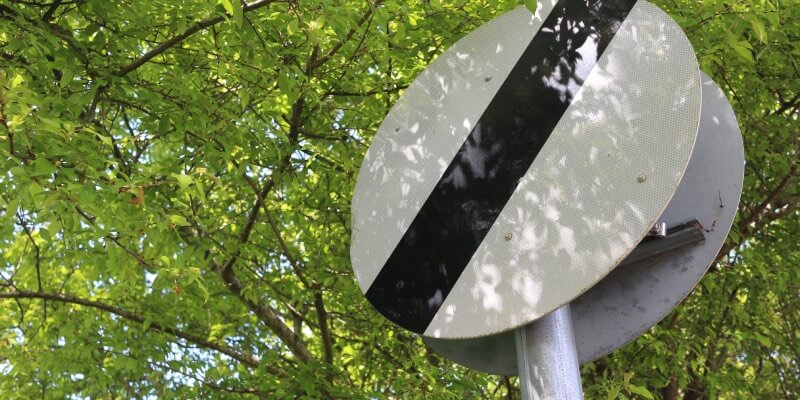
Knowing the speed limits is essential when driving on a dual carriageway. For cars, the national maximum is usually 70 mph unless otherwise indicated by road signs. Larger vehicles, such as trucks and buses, usually have lower limits.
To make it easier to remember, here’s a quick guide:
- Cars: Maximum 70 mph
- Motorcycles: Maximum 70 mph
- Buses and coaches: Maximum 60 mph
- Goods vehicles over 7.5 tonnes: Maximum 60 mph
Remember, these are the maximum speeds, not targets to aim for. It’s always better to slow down if the weather is bad, traffic is heavy, or visibility is poor. Keeping a comfortable speed gives you more time to react to what’s happening around you, making the drive safer and less stressful for everyone.
Following the speed limit isn’t just about avoiding fines—it’s a safety measure. Higher speeds mean longer stopping distances, so staying within legal limits and maintaining a safe following distance is critical. These habits help you build confidence and good habits from the start.
Can learners drive on a dual carriageway?
Yes, learners can drive on dual carriageways, and you don’t need a fully qualified instructor to do so. Learners are also allowed on motorways when accompanied by a qualified instructor. Driving on dual carriageways is a great way to get used to higher speeds, practise lane discipline, and gain confidence, making them an important stepping stone in learning to drive safely at higher speeds.
When you’re in lessons, your instructor will help you learn how to:
- Indicate
- Merge into traffic
- Change lanes safely
Doing this in a quiet, controlled environment takes a lot of the stress out of busier roads and helps you feel more confident when it’s time for your test.
Lane discipline and overtaking on a dual carriageway
One of the key things to get right on a dual carriageway is staying in the correct lane and overtaking safely. Feeling confident while keeping up with traffic takes a bit of focus and planning. Before you move lanes or overtake, make sure you know what’s happening around you, pay attention to the speed and position of other vehicles, and take your time to make safe, clear decisions.
Here’s what to keep in mind when you’re on a dual carriageway:
- Left lane for cruising: Most of the time, you should stay in the left lane unless you’re overtaking. It keeps things flowing and feels a lot more predictable.
- Middle and right lanes for overtaking: Only move out when you actually need to pass someone, then get back over when it’s safe to do so.
- Mirrors and signals: Always take a proper look around first, use your indicators, and check how fast other vehicles are coming up behind or alongside you.
- Safe overtaking distance: Once you’ve passed a vehicle, don’t rush back in. Give yourself plenty of space before moving back across.
Practising these techniques regularly during lessons will help you build confidence and a natural sense of timing. Over time, it becomes easier to judge when and how to overtake, making lane changes smoother and reducing stress when driving at higher speeds. Mastery of this aspect is often observed during the driving test and in everyday driving.

Common mistakes on a dual carriageway
Even experienced drivers make errors on dual carriageways, and learners are especially prone to a few common mistakes. Recognising these issues before you face them on the road can make your experience much safer and less stressful. Being aware of potential errors helps you respond appropriately and avoid putting yourself or others at risk.
Some of the most frequent mistakes include:
- Staying in the wrong lane: New drivers sometimes hang around in the middle or right lane when they don’t need to, which can slow down traffic and confuse other drivers.
- Overtaking mistakes: Trying to overtake without checking mirrors or indicating can be risky and is a major cause of accidents.
- Tailgating: Following too closely at higher speeds doesn’t give you enough time to react if the car ahead slows suddenly.
- Merging too late or too fast: Not adjusting your speed properly when joining the carriageway or misjudging gaps can create dangerous situations.
- Panicking in heavy traffic: Staying calm is crucial—sudden braking or erratic lane changes can make things much more dangerous.
By recognising these common mistakes, you can make smarter choices and develop safer driving habits. Practising with an instructor reinforces these skills and helps you stay calm when traffic is heavy. Knowing what to watch out for also makes it easier to anticipate what other drivers might do, keeping you safer on dual carriageways.

Navigating exits and slip roads safely
Getting off a dual carriageway can feel stressful at first, but with a bit of planning, it’s completely manageable. If you know what to do and practise in advance, the whole process becomes much smoother and safer.
Here’s a step-by-step guide to navigating exits safely:
- Plan ahead: Work out where your exit is early and start moving into the correct lane well in advance.
- Reduce speed gradually: Don’t slam on the brakes—slow down smoothly once you’re on the slip road.
- Check mirrors and blind spots: Make sure no one is overtaking as you move into the exit lane.
- Maintain control: Keep a steady speed and watch out for bends or traffic joining on the slip road.
Regular practise during driving lessons in Northampton will make these manoeuvres feel more natural. Your instructor can walk you through challenging scenarios, such as heavy traffic or complex junctions, so that by the time you encounter them independently, you remain calm and in control.

Do you go on a dual carriageway on your driving test?
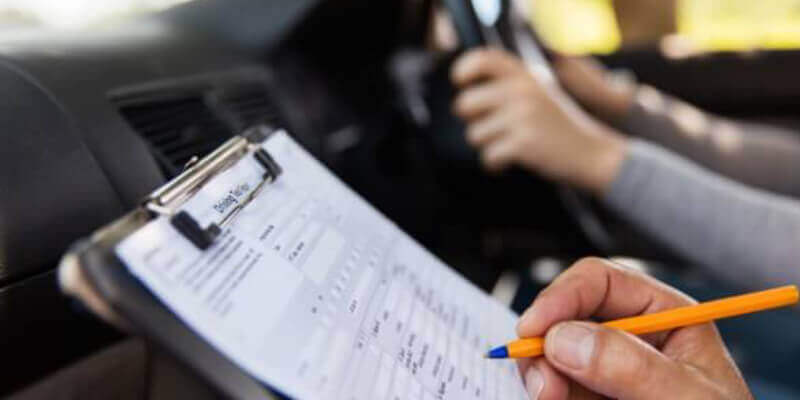
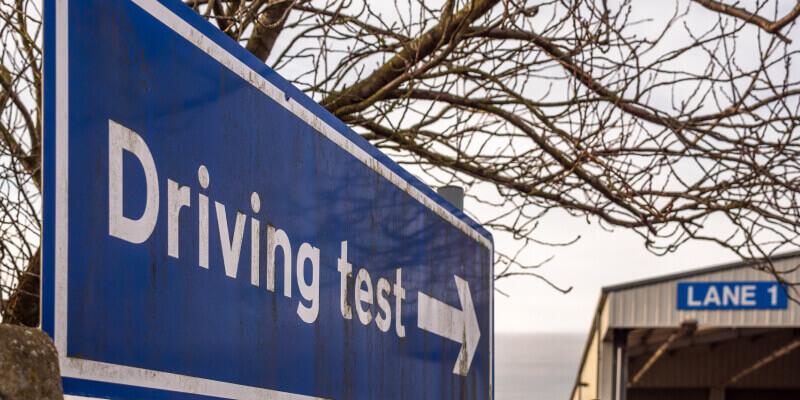
Your driving test will likely include dual carriageway driving, as examiners need to assess your ability to handle higher-speed roads. The test checks your lane discipline, reactions, and decision-making under pressure.
During the test, you’ll be expected to demonstrate that you can:
- Merge safely at higher speeds.
- Maintain lane discipline.
- Overtake correctly.
- Use mirrors and indicate appropriately.
With consistent practice, you’ll be able to handle these challenges confidently. Dual carriageways provide a place to test your high-speed driving skills. Preparing thoroughly with a qualified instructor ensures that you remain composed and make safe decisions when it matters most, giving you a strong foundation for independent driving after passing your test.
Driving forward with confidence
Driving on dual carriageways is an essential milestone for new drivers. While initially daunting, regular practise, proper instruction, and a clear understanding of road rules will make the experience manageable and even enjoyable.
By understanding how different types of roads work and practising essential skills such as lane discipline and correct use of exits, you’re building a strong foundation for safe driving on faster roads.
Doing regular lessons is the best way to get used to driving in a safe, stress-free environment. Take your time, don’t rush yourself, and bit by bit you’ll start to feel more comfortable on dual carriageways. By the time your test comes around, you’ll be calmer behind the wheel and picking up driving skills that will stick with you.